
How to Stage a Garage Conversion Using Storage
Converting a garage into living space is one of the smartest
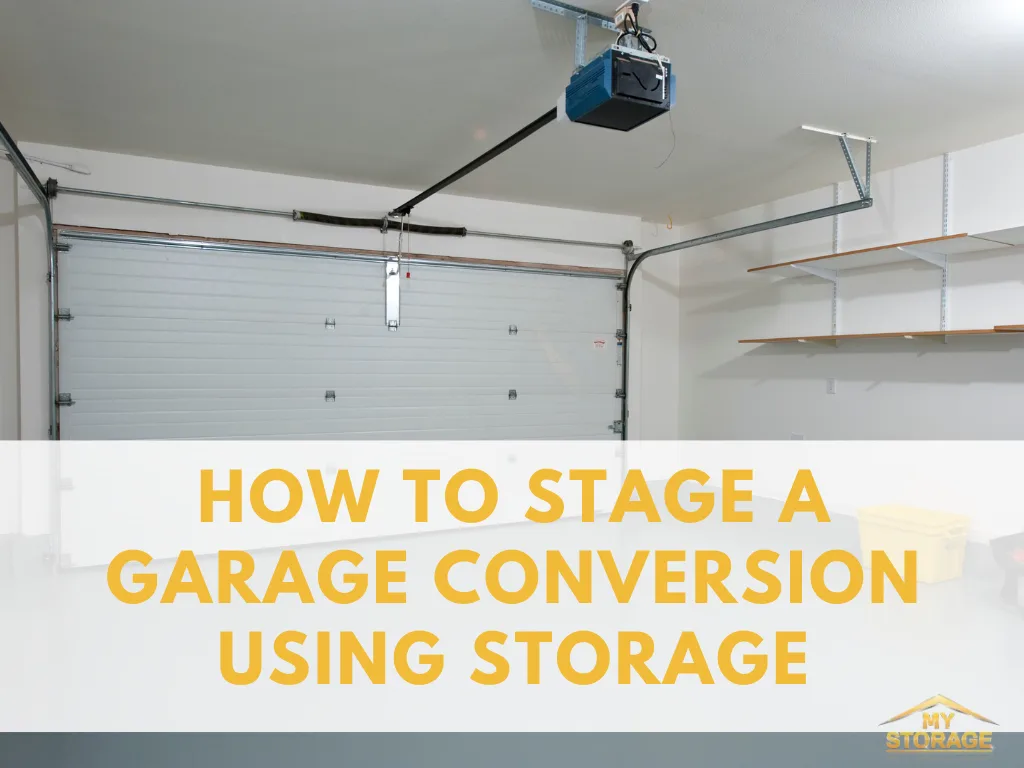
Converting a garage into living space is one of the smartest ways to add value to a home—but during the process, the garage usually becomes the catch-all for everything that doesn’t have a place yet. Tools, bikes, boxes, seasonal items, and furniture can quickly get in the way of planning, construction, and staging.
Using self-storage during a garage conversion keeps your project organized, protects your belongings, and helps you visualize the finished space from day one.
Why Storage Is Essential During a Garage Conversion
A successful garage conversion depends on having a clean, empty canvas. Storage allows you to:
- Clear out the garage completely
- Protect items from dust and damage
- Stage the new space properly
- Keep the rest of the home clutter-free
Trying to work around stored items often slows down contractors and makes the final space harder to plan.
Step 1: Clear the Garage Before Construction Begins
Before demolition or framing starts, remove everything from the garage.
This includes:
- Tools and equipment
- Bikes, scooters, and sports gear
- Holiday decorations
- Extra furniture and boxes
Placing these items into a storage unit creates immediate space and helps prevent accidental damage during construction.
Step 2: Sort Items by Purpose, Not Just by Category
When packing for storage, think ahead to the finished space.
Group items into:
- Long-term storage (seasonal décor, keepsakes)
- Short-term storage (items you’ll need after the conversion)
- Donate or discard items you won’t need at all
This makes it easier to bring items back only when they’re actually needed.
Step 3: Use Storage to Stage the New Space Properly
Once construction is complete, staging helps bring the conversion to life—especially if you’re planning to sell or rent the home.
Storage allows you to:
- Bring furniture in gradually
- Avoid overcrowding the new room
- Test different layouts without clutter
Whether the garage becomes a home office, guest suite, gym, or rental unit, storage gives you flexibility to stage it thoughtfully.
Step 4: Protect Furniture and Materials During Renovation
Garage conversions create dust, temperature changes, and moisture risks.
A climate-controlled storage unit helps protect:
- Upholstered furniture
- Electronics and TVs
- Artwork and décor
- Flooring, cabinets, or fixtures
Keeping these items off-site ensures they stay in move-in-ready condition.
Step 5: Store What No Longer Belongs in the New Space
Once the conversion is finished, some garage items may no longer have a home.
Storage is ideal for:
- Lawn equipment
- Sports gear
- Seasonal items
- Extra household supplies
This keeps your new living space functional and clutter-free long after the renovation is done.
Step 6: Stage With Purpose, Not Storage Boxes
A common mistake is filling a new conversion too quickly.
Instead:
- Stage with only essential furniture
- Keep extra décor in storage
- Maintain open space and flow
This helps the room feel larger, brighter, and more intentional.
Storage as a Short-Term Solution, Not a Burden
A garage conversion isn’t just about construction—it’s about creating a livable, well-designed space. Using self-storage during the process makes staging easier, protects your belongings, and keeps your home organized from start to finish.
At My Storage, we offer secure, convenient storage options that support renovation projects of all sizes—so you can focus on transforming your space without the clutter.
Need a little more room?
Find a My Storage location near you and reserve a unit in minutes.
Find a unit