
Offsite Toy Rotation: A Minimalist Parenting Hack That Actually Works
If your home feels like it’s slowly being taken over by
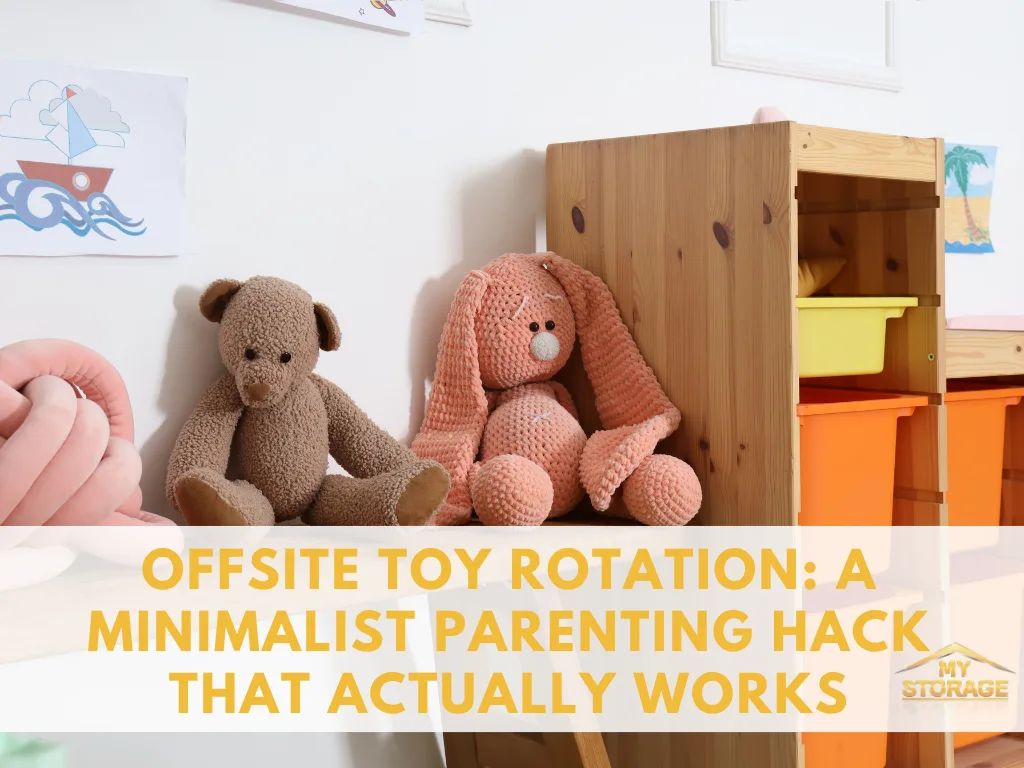
If your home feels like it’s slowly being taken over by toys, you’re not alone. Many parents want less clutter without taking away the things their kids love. That’s where offsite toy rotation comes in.
Toy rotation isn’t about having fewer toys—it’s about using them better. By storing a portion of your child’s toys offsite and rotating them in over time, you can reduce mess, boost creativity, and make everyday play feel new again.
What Is Offsite Toy Rotation?
Offsite toy rotation means keeping only a small selection of toys at home while storing the rest in a self-storage unit. Every few weeks or months, you swap toys in and out.
To kids, it feels like getting brand-new toys. To parents, it means less clutter and less cleanup.
Why Toy Rotation Works So Well
**1. Fewer Toys, More Meaningful Play
**
When kids have too many toys available at once, they often jump from one thing to another. With fewer options, children tend to:
- Focus longer
- Use their imagination more
- Play more independently
Rotation creates a calmer play environment without removing fun.
**2. Less Clutter in Shared Spaces
**
Living rooms, bedrooms, and play areas feel instantly lighter when toys are reduced. This is especially helpful for:
- Smaller homes or apartments
- Open-concept layouts
- Families working or studying from home
Storage helps keep toys out of sight without getting rid of them.
**3. Toys Feel New Again (Without Buying More)
**
Rotating toys every few weeks keeps things fresh—without constant spending. When toys return from storage, kids often reconnect with them in new ways.
This also helps parents resist the urge to buy more toys just to keep children engaged.
**4. Easier Cleanups for Everyone
**
With fewer toys in circulation:
- Cleanup takes less time
- Kids learn responsibility
- Play spaces stay usable
It’s a small change that makes daily routines much easier.
How to Set Up an Offsite Toy Rotation System
Step 1: Sort Toys by Type and Age
Group toys by category or developmental stage. This makes rotation simpler and more intentional.
** Step 2: Keep Only What’s in Use**
Choose a limited number of toys to stay at home—enough for variety, not overwhelm.
** Step 3: Store the Rest Safely**
Use labeled bins and store toys in a clean, dry, climate-controlled unit to prevent damage.
** Step 4: Rotate on a Schedule**
Swap toys every few weeks or months. There’s no perfect timeline—just find what works for your family.
Which Toys Are Best for Offsite Storage?
Great candidates include:
- Large playsets
- Seasonal toys
- Toys for future age stages
- Battery-operated or electronic toys
- Toys with many pieces
Keep comfort items, favorites, and daily-use toys at home.
A Minimalist Approach That Still Feels Generous
Offsite toy rotation isn’t about restriction. It’s about creating space—both physically and mentally. Parents get a more organized home, and kids get more engaging playtime.
At My Storage, families use self-storage as a simple, flexible way to support minimalist living without sacrificing convenience or comfort.
Need a little more room?
Find a My Storage location near you and reserve a unit in minutes.
Find a unit